Novels, comics, fan fiction, TRPG — however far along you are
LitMemo — setting and creation management for novels, comics, fan works, and TRPGsYour world,
I remember it all
Characters, settings, relationships, foreshadowing — it's all here, one @ away whether you're writing a novel or a comic.
— Momo, your book-spirit cat
Free · No credit card requiredAlready used by 10000+ creators
Paste prose you already wrote — the fields fill themselves in
Your world is already mostly written
It's just scattered across ten files, three apps, and your memory
"worldbuilding_v3_FINAL_final.xlsx"
Scattered versions
The same notes revised six times. Which copy is current — the cloud, the laptop, or your phone? You're not sure either.
"What was this character's hair like last episode? I'll have to dig up the original art."
Can't find it again
You know you drew it, you know you wrote it — but it is buried in old files and chat logs. You usually get it wrong before you find it.
"Does this rule contradict the one I set last session?"
Doesn't line up
Magic systems, geography, timelines, factions — the more entries you have, the more likely they conflict, and nobody is checking.
"It's all clear in my head. I just never wrote it down."
Only in your head
The most complete version of your world lives in your memory. Switch to another book, or come back after three months, and it starts leaking.
Put everything scattered in one place first. The manuscript can come later.
Start building your world — freeFree to sign up. No credit card.
—— Don't retype it. Paste it. ——
How LitMemo pulls your world together
Three steps — from scattered, to searchable, to growing on its own
Paste it in, the cards build themselves
Step one · No retyping
Paste a passage you have already written — prose, a script, or setting notes — and AI turns it into character cards and setting entries. Whole .docx / .txt / .md files work too.
- Novel prose, manga scripts, or campaign notes
- Import a whole manuscript, chapters split automatically
- Aliases, status and relationships filed with it
Callable wherever you write
Step two · Your world has to be searchable
Type @ to pull up any card, hover for the key details. In the editor for prose, in the storyboard for manga — no window switching.
- @mention characters and settings inline
- Hover to preview a card's key fields
- Who appeared in which chapter or episode
It fills in as you write
Step three · Your world grows itself
AI reads every chapter and entry you have, folds new material back into the cards, and tells you when something stops lining up.
- New writing folded into existing cards
- AI scans the whole book for contradictions
- Character art as reference — one face across episodes
Reading about it only goes so far. Paste a passage in.
Paste a passageEvery feature makes the world more complete
Not more features for their own sake — each one fills a gap in your world
Structured character cards
Looks, personality, catchphrases, relationships — every detail on a single card. Character status changes are tracked automatically (alive / dead / missing).
Learn moreForeshadowing tracking
Multi-stage progress tracking from planted to paid off. Foreshadowing links to chapters, so one panel shows every thread you've planted but not yet resolved.
Learn moreSetting-entry management
Places, organizations, items, magic systems, races — categorized, richly described, linked to each other. However big the world gets, it fits.
Learn moreMore features:TimelineCross-book sharingRelationship graphAI assistantManga image generationManga productionAI beta readersAI character art
Characters, settings, foreshadowing — put the first one in now.
Start building your worldWhat creators say
「I pasted in 25 chapters of an old draft, and the character cards and setting entries just grew themselves — this is the workflow I've wanted for years.」
「I write novels and draw manga in the same world. Once the character art was in, the faces finally matched across episodes.」
「Two years of campaign — factions, NPCs, the whole timeline, all in my head. After moving it in, ten minutes before session is enough to review.」
Wherever the pen rests, there is home
Your world
deserves somewhere to live
Start now, and scale up as your world grows
—— The same world can grow into a comic ——
Your worldbuilding, growing into a comic panel by panel
Panel layout, panel-by-panel AI art, consistent character designs — the visual output novels can't give you, LitMemo catches for you.
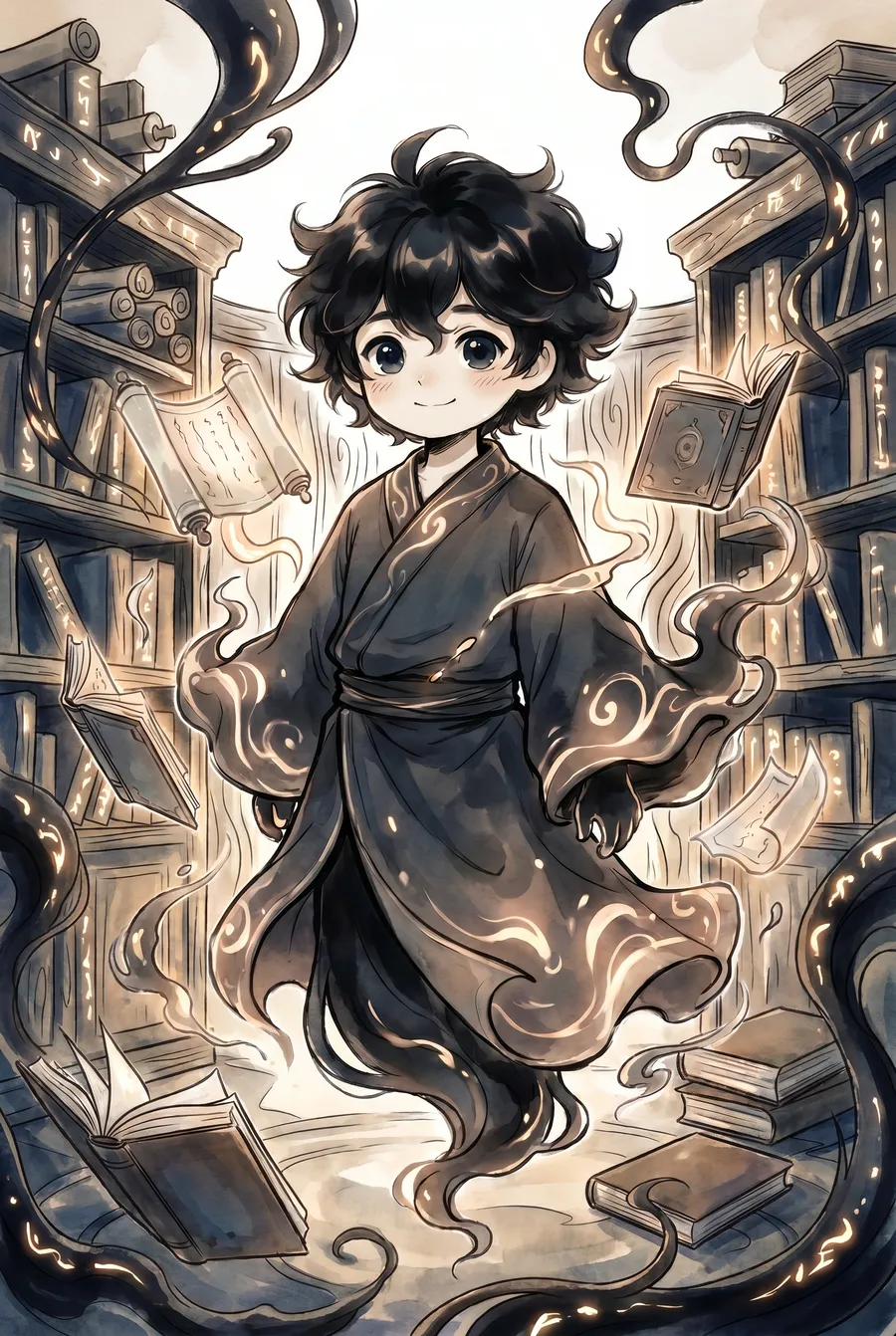
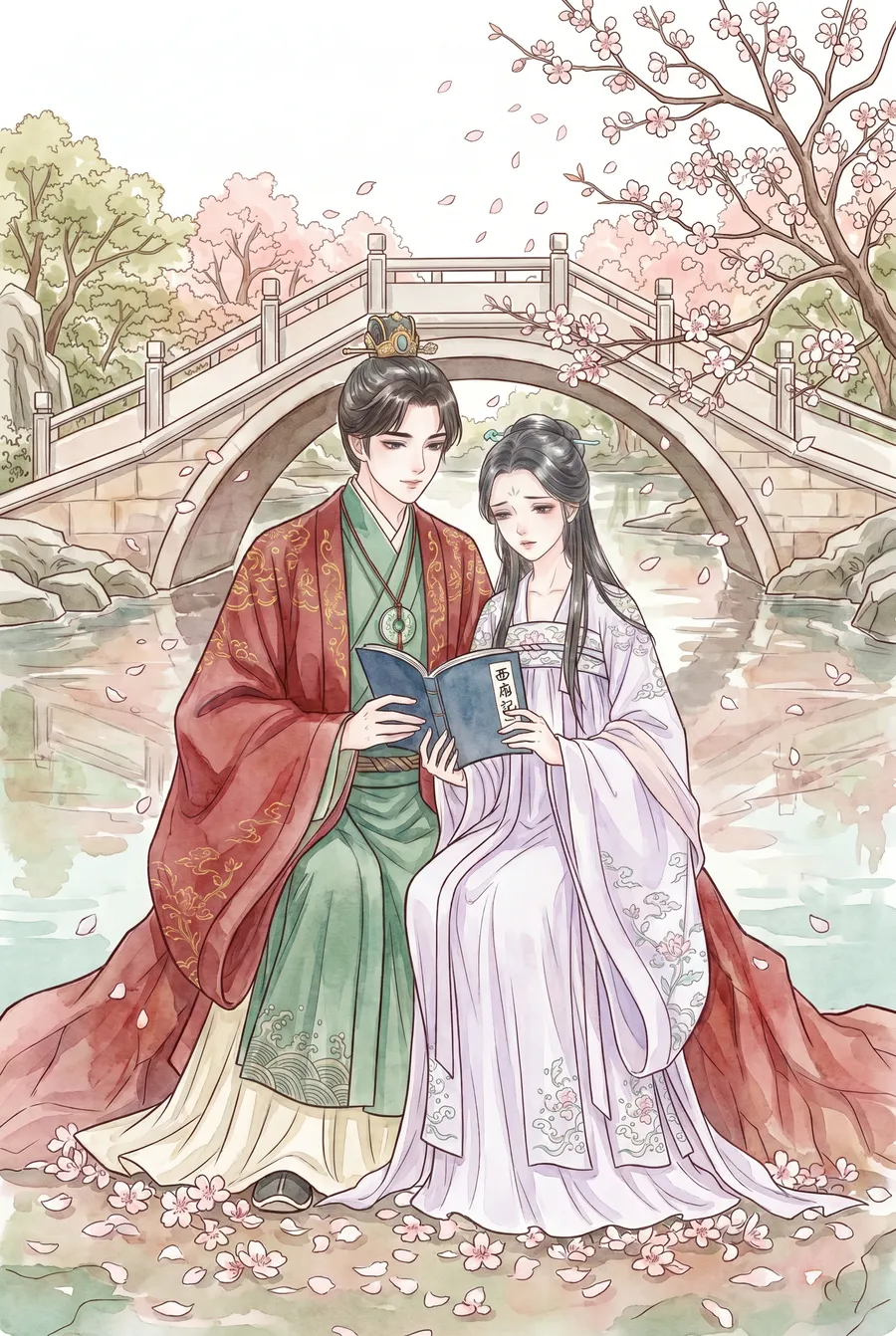
One toolkit, many art styles
Free-form panel layout
Polygons and overlapping panels — split them however you like, with the layout following the shot.
Panel-by-panel AI art
Draft, line art, screentone, and full color generated panel by panel, with composition that stays consistent throughout.
Character art as DNA
Character art becomes the reference for generation, so the same character keeps the same face across panels and across chapters.
What can LitMemo do for you?
When you're...
Writing several books in one world
Characters cross over; the setting has to be shared
The world grows faster than the manuscript
Settings, maps and timelines already outnumber the pages
Writing a long serial
More and more characters, and the details start slipping
Writing novels and making manga at once
Same cast, two media, both have to line up
What we don't do
Writing your book for you
Printing and physical publishing
Publishing to serial platforms
LitMemo is a creation management tool, not an AI ghostwriter. We help you keep your story in order, but the story is still yours to write.